Wet Plate Collodion Photography

Forever
Portraits.
Made in
Minutes.

Est. 2001

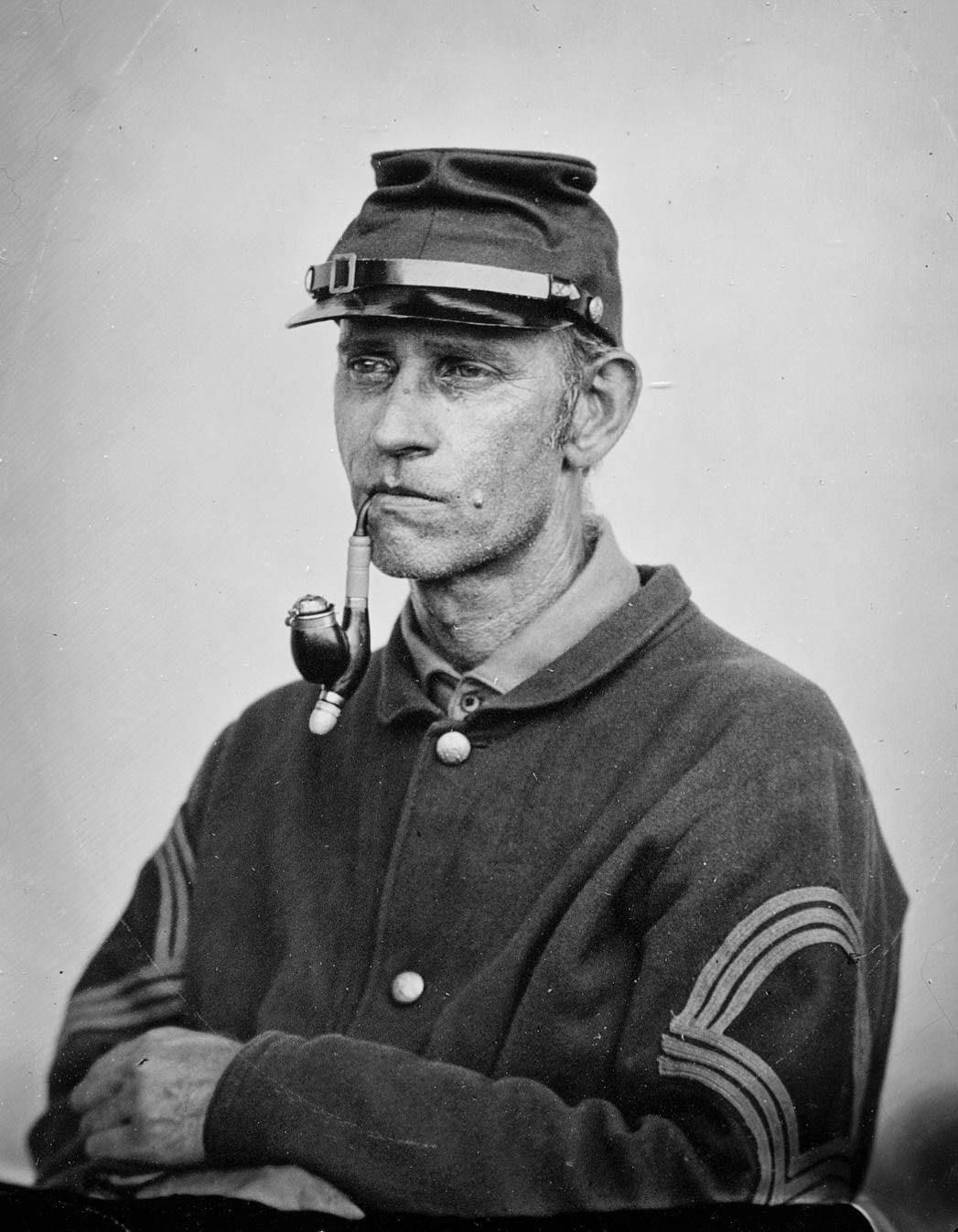
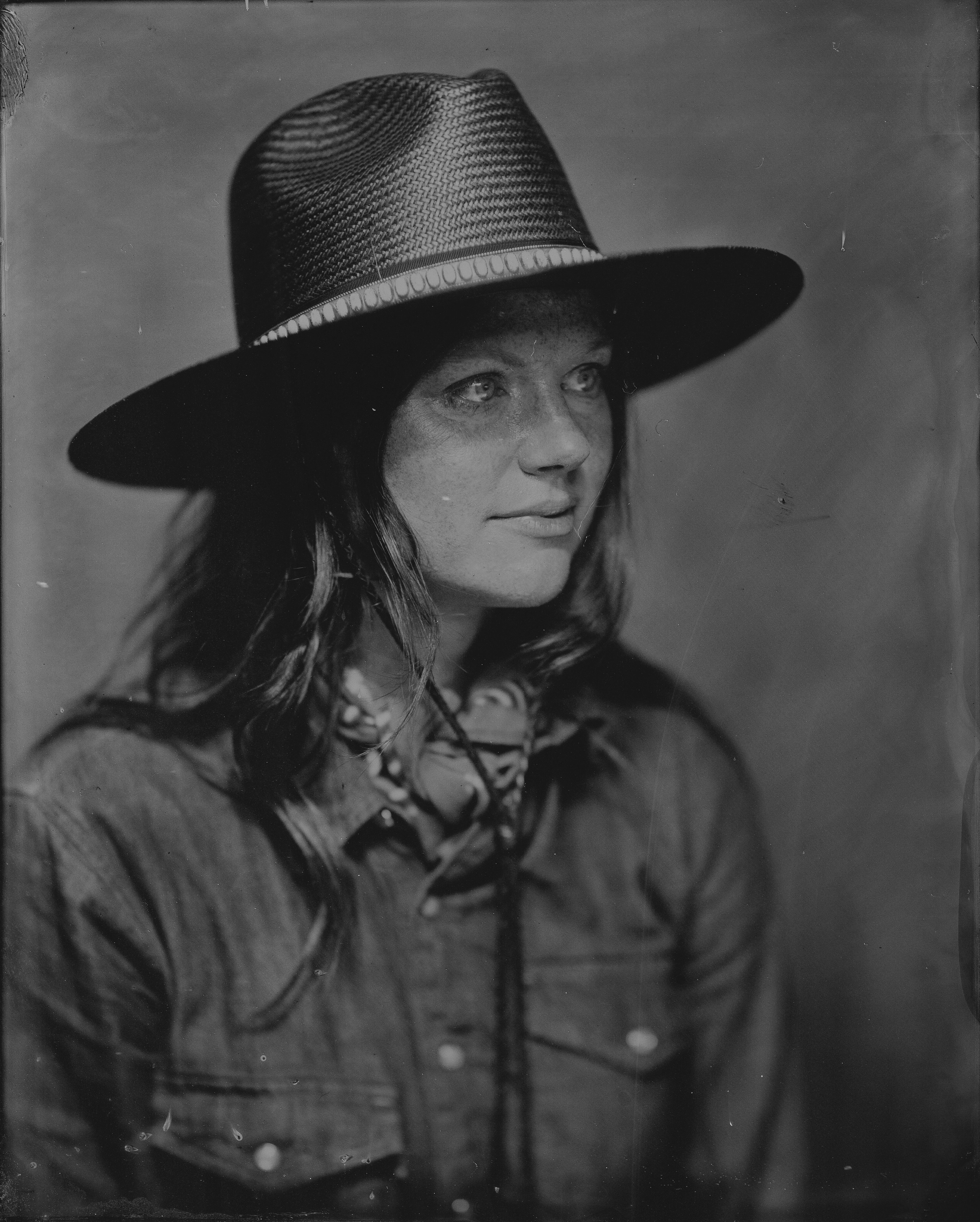
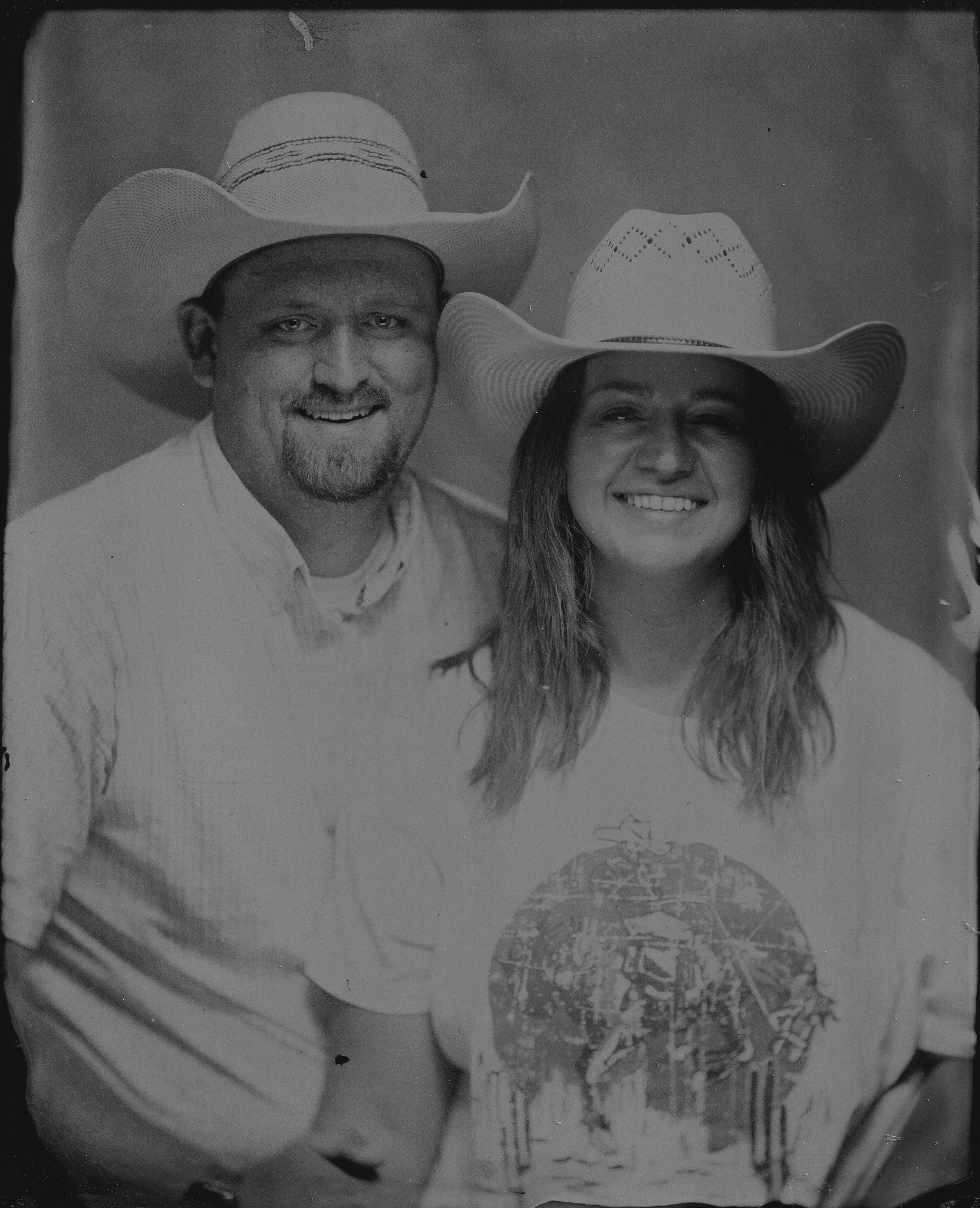
History, chemistry, and imagery — made in front of you in under ten minutes. Pure silver. Archival. Forever portraits built to outlast every screen you own.

Wet plate portrait
Scroll

Made in
minutes.
Lasts forever.

Wet plate collodion is a 170-year-old photographic process — and it's still one of the most viscerally beautiful things a camera can produce. Each image is prepared, exposed, and developed by hand in under ten minutes. What you get isn't a print — it's the original. One of a kind. Yours.

"There's no undo button.
That's the whole point."

01
Coat the Plate

Liquid collodion — a viscous, flammable syrup — is poured across a glass or metal plate and tilted to create an even film. It sets in seconds.

02
Silver Bath

The tacky plate is dipped into silver nitrate solution, making it light-sensitive. A chemical clock starts — you have about 10 minutes.

03
Expose

The wet plate is loaded into the camera while still damp. A long exposure — sometimes several seconds — captures light into the silver halide layer.

04
Develop

Developer poured over the plate reveals the image almost instantly — silver particles rushing to the surface in real time. It looks like magic. Because it is.

05
Fix & Varnish

A fixer clears the unexposed silver. The plate is rinsed, dried, and sealed with a protective varnish. Your portrait is now a permanent artifact.

Find the
darkroom.

Reserve your
place in history.

Sessions run 20–40 minutes per plate. A deposit secures your spot and is applied toward your session total. Walk-ins welcome at popup events — first come, first photographed.

Chris Morgan
"It's history, chemistry, and the imagery all combined — the image layer is pure silver. It's not going anywhere."

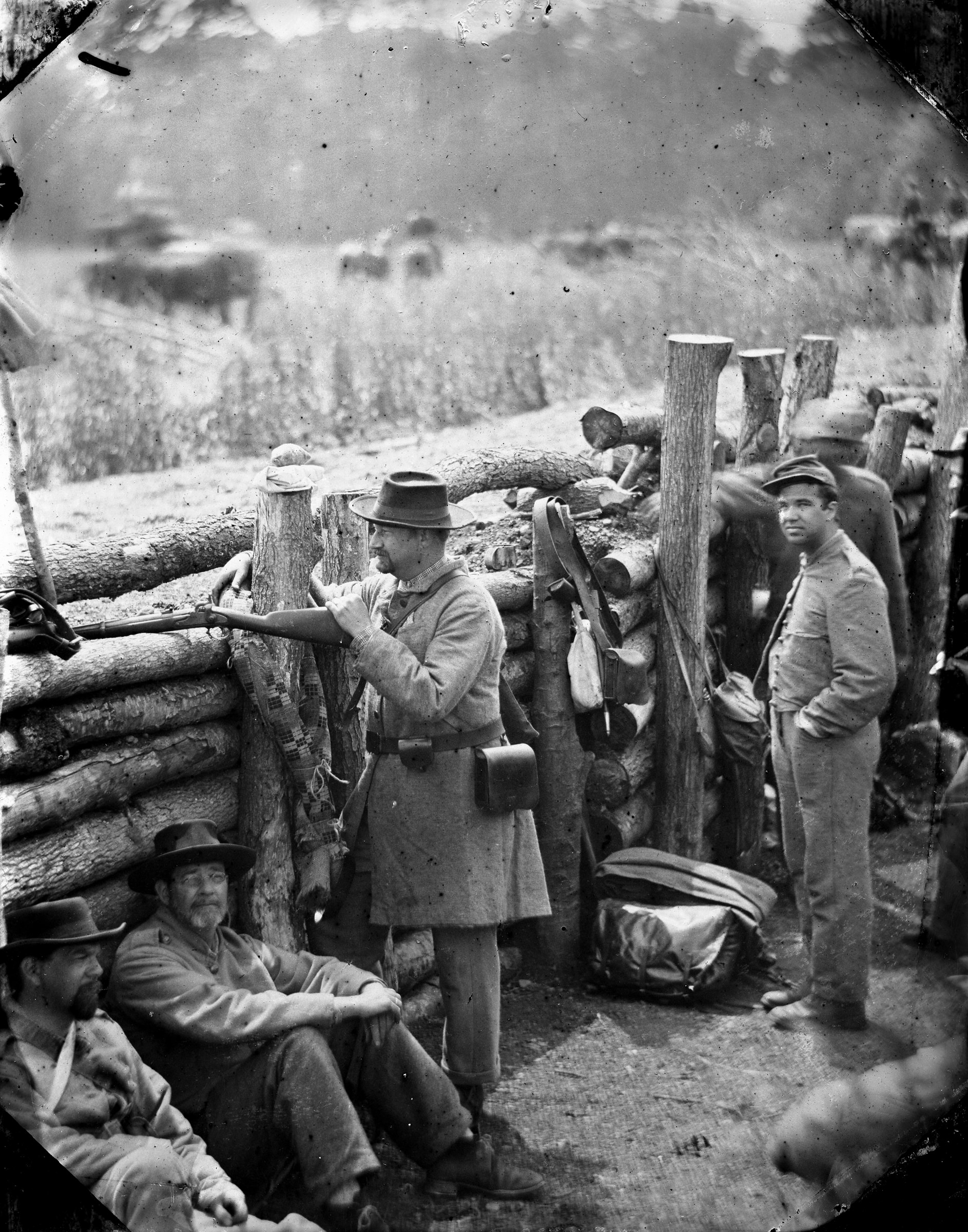
Chris Morgan's journey into wet plate collodion began in 1999, driven by a deep interest in Civil War history and a realization that every photograph from that era was made with this exact process. In 2001, he went all in — tracking down equipment, chemistry, and original 19th-century manuscripts, visiting museums and libraries to master what he'd found.

Since his first event in February 2002, Chris has brought tintype photography to up to 30 events a year: living history exhibitions, college campuses, reenactments, state fairs, and markets across the country. Two years ago, he and his family sold their home and hit the road full-time in an RV, taking the craft to new audiences everywhere they go.

About 90% of his work is portraiture — but he also photographs historic sites like Bentonville Battlefield and scenic landscapes. Every plate leaves with the person in front of the lens. "I shoot more than I show and I own very little of what I have shot over the years," he says. "The work is what is important to me."

25+
Years in the Craft
30+
Events Per Year
0
Digital Filters

Let's make
something real.

For commissions, private sessions, and events, use the booking buttons to open a short inquiry form. For everything else, email works best — and you can always follow the work on social.